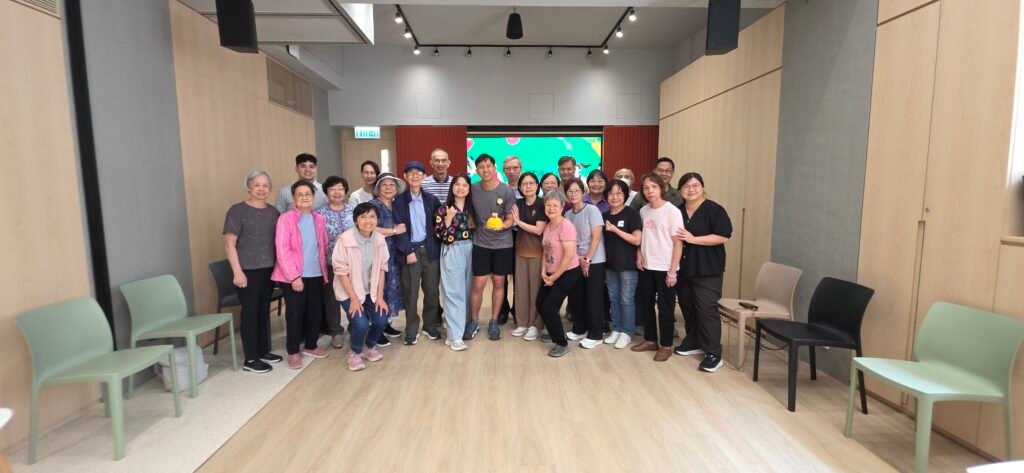
好感恩,可以喺港澳信義會信恩堂,同長者長青團契一齊上堂健康講座。團契本身已經係一個彼此守望嘅地方。我哋今次唔係搬張凳入嚟講二十張投影片就走,而係再做一堂「非一般」嘅健康講座:用節奏運動,挑戰身體嘅多重任務——郁、協調、思考,三樣叠埋一齊。平時一聽到「運動防腦退化」,好多人會覺得好遠:要游水、要跑步、要去健身室。但其實大腦每日都喺做多重任務。你行出街,要睇燈、避人、記住買餸;同孫傾偈嘅時候,手都唔停。生活本身已經係 dual task。問題係,年紀大咗,單項郁都得,兩樣一齊就容易亂。亂咗就驚跌、驚忘、驚跟唔上。所以講座唔係叫大家「多啲郁」就算,而係俾一個拍子,等身體同腦袋一齊上線。節奏喺度好有用。拍子係一個捉住得住嘅錨:聽得到、踏得到、數得到。腳跟住八拍,手做第二樣,間中要轉換方向或者記住下一組——呢啲就係科研裏面講嘅 motor-cognitive dual-task,即係動作加認知一齊練。近年有幾類研究講緊類似嘅事。綜合分析見到,對有輕度認知障礙或者認知下降嘅長者,雙重任務訓練可以改善整體認知、執行功能同工作記憶;動作加思考呢種組合,對執行功能特別有幫助。亦有研究比較「一邊踩單車一邊做記憶練習」同「先運動再做記憶」——同時做嗰組,記憶、推理、專注進步更大。節奏同音樂加落運動度,對整體認知、注意力同處理速度,往往又再好過淨係郁。簡單講:身體送血去腦,節奏捉住時間感,思考題目迫前額葉開工——三條線一齊亮。當然要講清楚:呢啲證據支持「有機會減慢下滑、撐住認知功能」,並唔等於保證唔會腦退化。腦退化原因複雜,無一隻運動可以打包票。但坐得穩、跟到拍、笑得出嘅練習,已經係一個好實在、可以每星期重複嘅起點。坐住做都得,因為安全先至有下一次。現場最靚唔係動作有幾齊。而係有人第一下跟錯,第二個八拍就自己修正;有人坐住都肯拍手、踏腳、數拍子。協調唔係天生,思考唔係課堂專利。兩者叠埋,先似真生活。再次多謝信恩堂嘅邀請,多謝長者長青團契每一位參與嘅弟兄姊妹。節奏可以好細,任務可以好淺,但腦同身體一齊開工呢件事,值得一試再試。有機會,再一齊郁。
Deep thanks to Hong Kong & Macau Lutheran Church — Hsin En Church, and to the Senior Evergreen Fellowship for the chance to share a health talk.A fellowship is already a place of watching over one another. We did not arrive with a slide deck and leave. This was another talk that refused the usual script: rhythm exercise used as a multi-task challenge — move, coordinate, and think at the same time.“Exercise for the brain” can sound distant: a pool, a gym, a programme you never start. But the ageing brain is already living in dual-task. Crossing a road means watching lights, people, and a shopping list. Talking with a grandchild means hands still busy. Life is the exam. What changes with age is not only strength; it is how costly it becomes to do two things at once. That cost shows up as trips, forgotten steps, falling behind a conversation. So the session was not “please exercise more.” It was a beat you can hold, so body and brain come online together.Rhythm helps because a pulse is an anchor you can hear, step, and count. Feet on an eight-count, hands on a second pattern, then a change of direction or the next phrase to remember — that is what papers call motor-cognitive dual-task training: movement plus thinking, trained as one.The research line is fairly consistent, if still modest. Reviews of dual-task programmes in older adults with mild cognitive impairment or cognitive decline report gains in global cognition, executive function and working memory; the motor-plus-thinking mix is the mode most often tied to executive gains. A UCLA-led trial found that memory drills done while pedalling a bike outperformed the same drills done after the ride — simultaneous beat sequential. Layering music or a clear beat onto movement often adds a further lift for global cognition, attention and processing speed compared with movement alone. In plain terms: blood flow from moving, timing from rhythm, frontal-lobe work from the thinking task — three systems lit at once.Honesty matters. This evidence supports a chance to slow decline and shore up function. It does not guarantee that dementia will not come. Causes are many; no class can underwrite a brain. What a seated, beat-led, smiling practice can offer is a start you can repeat next week. Safe first. Then consistent.The nicest thing in the room was not tidy choreography. It was the person who missed the first count and corrected on the next eight; the person who stayed in the chair and still clapped, tapped, counted. Coordination is not a talent contest. Thinking is not only for classrooms. Stacked together, they look like ordinary life.Thank you again to Hsin En Church and to every sister and brother in the Evergreen Fellowship who showed up in body. The rhythm can be small. The task can be light. Asking the brain and the body to work in the same minute is still worth doing twice. Whenever you are ready — we will move again.
港澳ルーテル教会・信恩堂、シニア長青団契のみなさん、健康講座の場をくださいまして、ありがとうございました。団契はもともと、互いに見守る場所です。スライドを投影して帰るだけの時間にはしませんでした。今回も「普通じゃない」健康講座です。リズム運動で、体の多重課題に挑戦する——動く、協調する、考える、を重ねる。「運動で脳の老化を防ぐ」は、プールやジムの話に聞こえて、遠ざかりがちです。でも年を重ねた脳は、すでに二重課題の中で暮らしています。横断歩道では信号と人と買い物リストを同時に見る。孫と話しながら手は止まらない。生活そのものが試験です。年齢とともに変わるのは筋力だけではない。二つを同時にこなすコストが上がることです。そのコストが、つまずき、手順忘れ、会話についていけない、として現れます。だから講座の目標は「もっと運動してください」ではなく、つかめる拍子を渡して、体と頭を同時にオンラインにすることでした。リズムが効くのは、拍子が聞こえて、踏めて、数えられる錨だからです。八拍を足で、別の型を手で、途中で方向や次のフレーズを覚える——論文でいう運動-認知デュアルタスク、動きと思考を一つの練習にしたものです。研究の流れは、まだ控えめで、でも方向は揃っています。軽度認知障害や認知低下のある高齢者への二重課題トレーニングのレビューでは、全般的な認知、実行機能、ワーキングメモリの改善が報告され、動きと思考を組み合わせる型が実行機能に特に結びつきやすいとされます。UCLAなどの比較では、自転車を漕ぎながら記憶練習をした群の方が、運動のあとに同じ練習をした群より記憶・推理・注意の伸びが大きい。運動に音楽や明確な拍子を乗せることも、運動だけの場合より全般認知・注意・処理速度を押し上げやすい。要するに、動きが脳へ血を送り、リズムが時間をつかみ、課題が前頭葉を働かせる——三つの回路が同時に点く。正直に言えば、これは「低下をゆるめ、機能を支える見込み」であって、「認知症にならない保証」ではありません。原因は一つではなく、一回の講座が脳を請け負うことはできません。椅子に座ったまま、拍子に乗り、笑える練習が渡せるのは、来週も繰り返せる起点です。安全が先。継続がその次。現場でいちばん美しかったのは、動きが揃っていたことではありません。最初の拍を外して、次の八拍で直した人。椅子のまま手拍子し、足をたたき、拍を数えた人。協調は才能の勝負ではない。思考は教室だけの仕事でもない。重ねると、ただの生活に見えます。改めて、信恩堂と長青団契の一人ひとりに感謝します。リズムは小さくていい。課題は浅くていい。脳と体を同じ一分に呼び出すことは、何度でも試す価値があります。また一緒に、体を動かしましょう。홍콩·마카오 루터교회 신은당,